01
Disease Overview
Overview
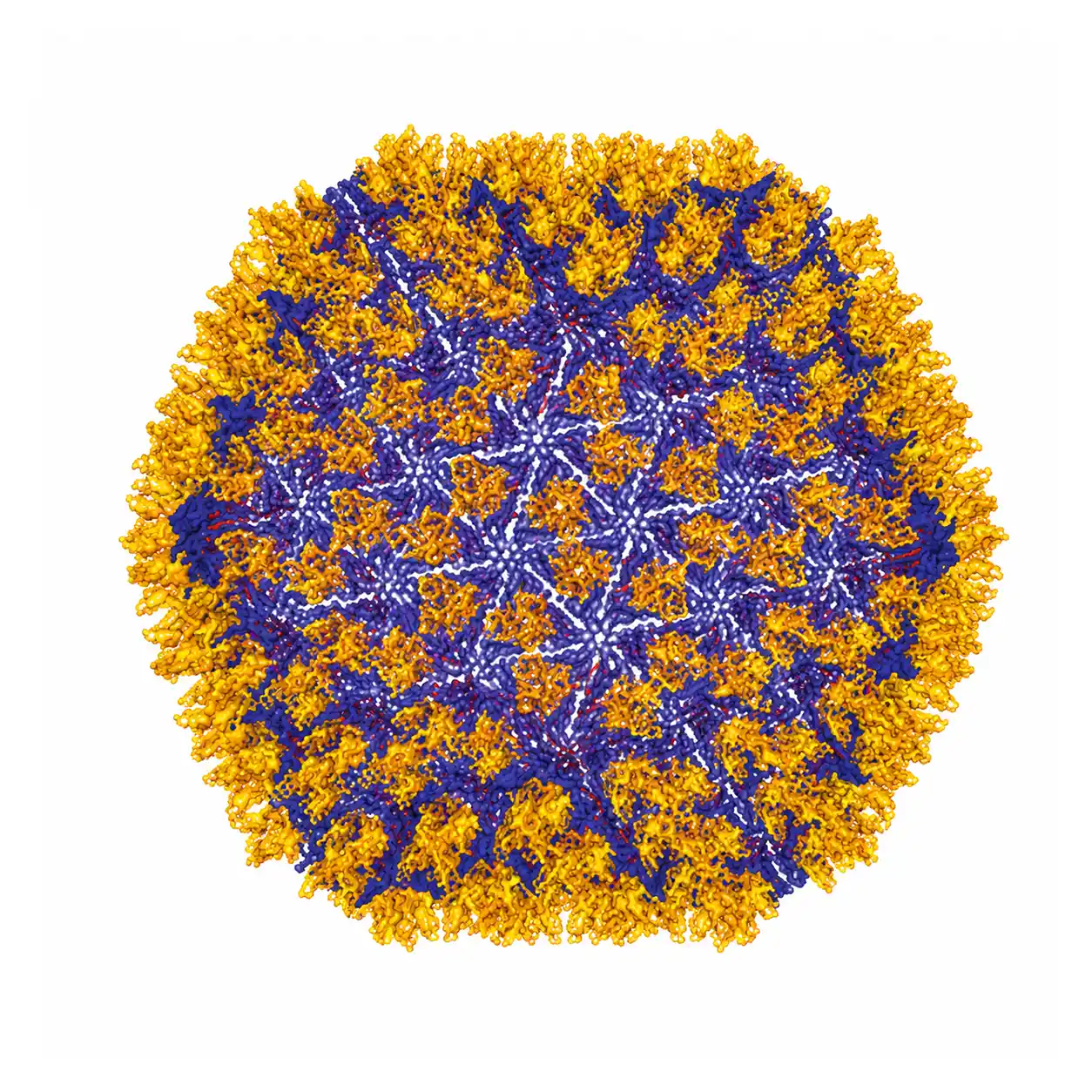
Infectious Bursal Disease is a viral infection targeting the lymphoid tissue of young chickens, specifically the Bursa of Fabricius. Caused by a Birnavirus, it is a major cause of immunosuppression in the poultry industry.
02
Disease Behavior
Pathogenicity
The virus destroys B-lymphocytes in the bursa, leading to a compromised immune system. Birds infected at a very young age (under 3 weeks) may not show clinical illness but will suffer from lifelong immunosuppression, making them highly susceptible to other pathogens.
03
Disease Presentation
Clinical Signs
In birds aged 3–6 weeks, the disease is acute and characterized by:
Digestive
Whitish, watery diarrhea and "pasty butt" (vent feathers soiled with feces).
Behavioral
Depression, huddling, ruffled feathers, and vent pecking.
Recovery
Mortality usually peaks within 3 days, followed by a rapid recovery of survivors within a week.
04
Disease Spread
Transmission & Viral Shedding
Hardiness
The IBD virus is exceptionally resilient, surviving in the environment for months despite cleaning and disinfection.
Route
Spread via the fecal-oral route through direct contact or contaminated water and equipment.
05
Identification
Diagnosis and Timeline
Incubation
Very rapid, typically 2–3 days.
Diagnosis
PCR and histopathology of the bursa are the standard. During necropsy, a swollen, edematous, or hemorrhagic bursa is considered a pathognomonic sign.
06
Farm Protection
Prevention & Control
Maternal Immunity
Protecting young chicks depends heavily on high levels of maternal antibodies passed from vaccinated breeders.
Vaccination
Timing is critical to ensure the vaccine is administered as maternal antibodies wane.
Hygiene
Because the virus is so hardy, rigorous terminal disinfection between flocks is mandatory.
Symptoms to Monitor
Clinical Signs
Reduced appetite
Depression
Ruffled feathers
Vent pecking behavior
Pasty butt
White, watery diarrhea
Huddling