
Respiratory Integrity

Infectious Bronchitis (IB)

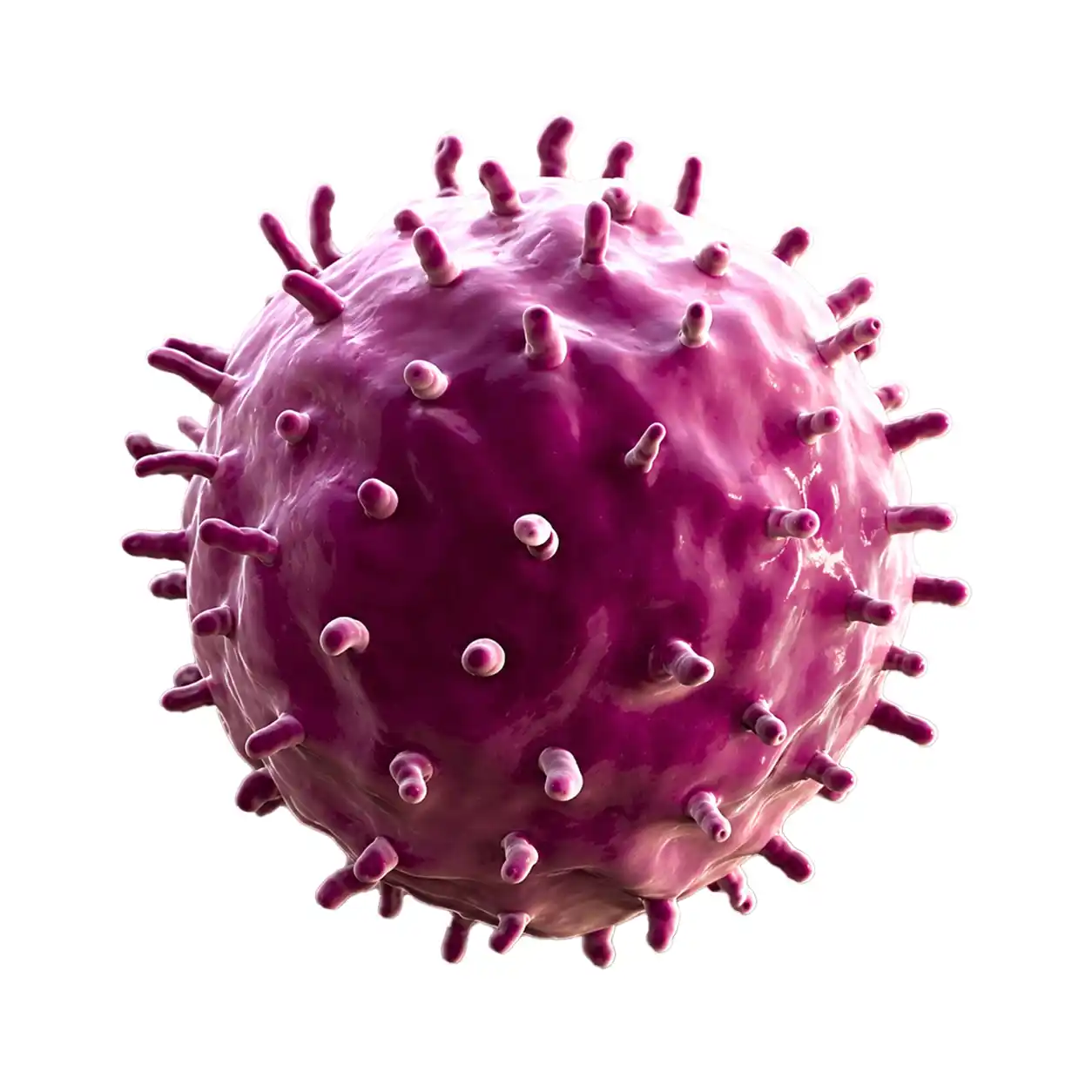
Infectious Bronchitis is an acute, highly contagious respiratory disease caused by a Coronavirus.

Infectious Bronchitis (IB)
01
Disease Overview

Overview

Infectious Bronchitis is an acute, highly contagious respiratory disease caused by a Coronavirus. It is characterized by its rapid spread and significant economic impact on both broiler and layer operations worldwide.

02
Disease Behavior

Pathogenicity

The virus initially replicates in the upper respiratory epithelium, causing ciliary stasis and tissue damage predisposes the birds to secondary bacterial infections (e.g., E. coli or Mycoplasma). Depending on the strain of the virus, it may migrate from the trachea to other areas of the chicken's body, such as the kidneys, reproductive organs, or alimentary tract.

03
Disease Presentation

Clinical Signs

Respiratory

Tracheal rales, sneezing, coughing, and wet eyes.

Reproductive

In layers, a sudden drop in egg production is common. Eggs may appear wrinkled, misshapen, or have thin, watery albumen. Early infection in pullets can lead to permanent damage (cystic oviducts).

Renal

In nephropathic cases, birds show depression, increased water intake, and renal failure (urolithiasis).

04
Disease Spread

Transmission & Viral Shedding

Aerosol Spread

The virus is primarily transmitted through inhalation of infected droplets expelled during coughing or sneezing.

Contamination

Shedding occurs in feces and on eggshells.

Persistence

Recovered birds can become "silent carriers," shedding the virus for up to 20 weeks. Fortunately, the virus is easily neutralized by common disinfectants and sunlight.

05
Identification

Diagnosis and Timeline

Incubation

Extremely short, usually 18–48 hours. Most of the flock will show symptoms within 2 days.

Diagnosis

Confirmation requires laboratory analysis of tracheal swabs (during the first week) or cloacal swabs (after the first week). PCR and serology are commonly used to identify specific serotypes.

06
Farm Protection

Prevention & Control

Effective prevention is challenging due to the high mutation rate of coronaviruses.

Vaccination

There are several types of vaccines available against IBV, which are widely used by the commercial poultry industry. Laying hens and broiler breeders initially receive the live attenuated vaccine administered to young chicks en masse through sprays or via drinking water. Followed by the inactivated vaccine as a booster in 4-6 weeks.

Management

Optimizing air quality and temperature is vital to reduce the severity of respiratory symptoms.

Symptoms to Monitor

Clinical Signs

Frothy exudate in the eyes
Rales
Sneezing
Coughing
Difficulty breathing
Nasal discharge
Drop in egg production
Thin, wrinkled or roughened egg shells
Loss of pigment color of eggshells
Watery albumin