
Immunocompetence

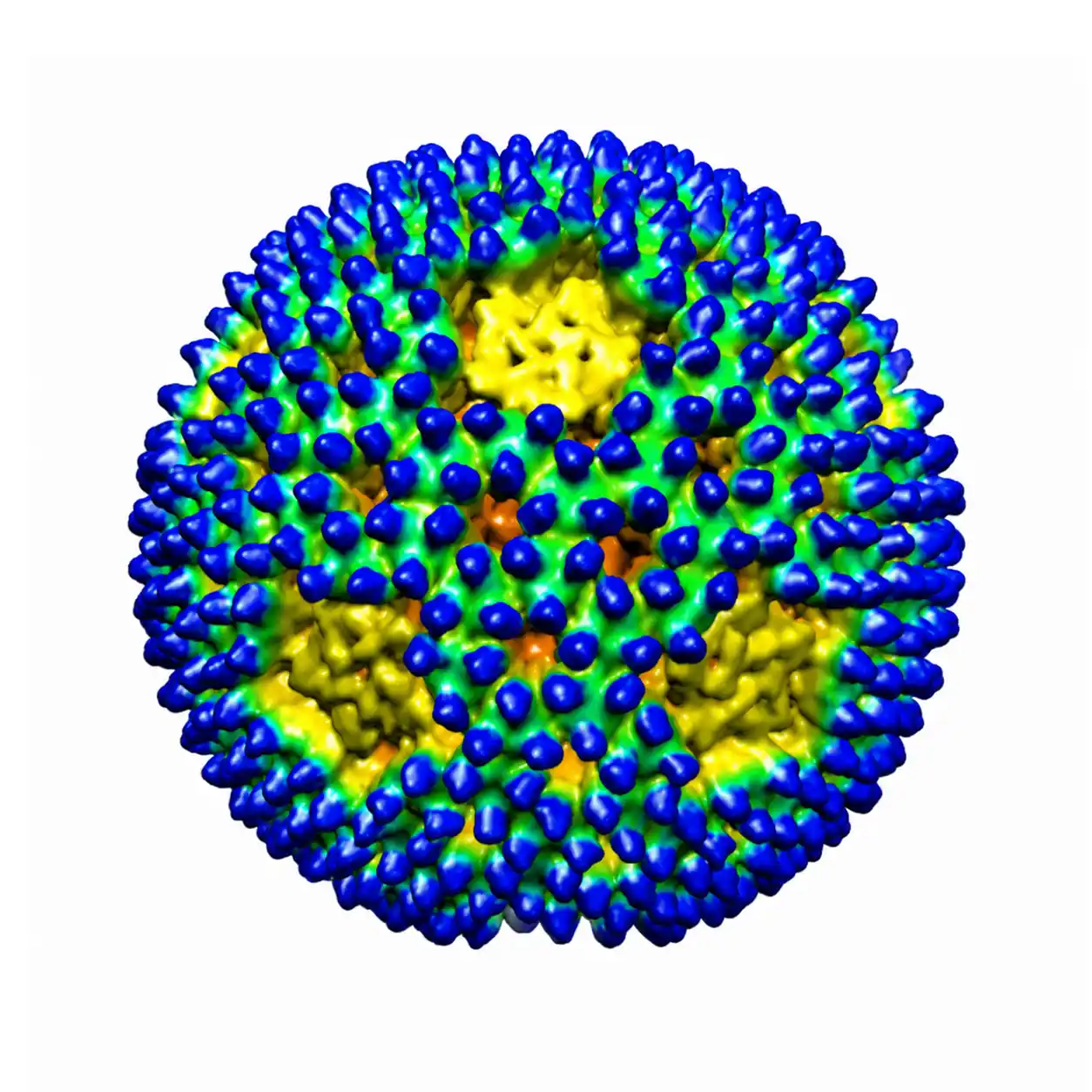
Reovirus

Avian Reovirus Infection is a widespread viral disease affecting poultry, particularly broilers and breeders.

Reovirus
01
Disease Overview

Overview

Avian Reovirus Infection is a widespread viral disease affecting poultry, particularly broilers and breeders. It is caused by avian reoviruses belonging to the family Reoviridae.

Reovirus is mainly associated with

  • Viral arthritis / tenosynovitis
  • Runting-stunting syndrome (RSS)
  • Malabsorption syndrome
  • Immunosuppression

The disease can lead to significant economic losses due to poor growth performance, lameness, reduced feed conversion, and increased culling rates.

02
Disease Behavior

Pathogenicity

Reovirus primarily targets

  • Tendons and joints
  • Gastrointestinal tract
  • Immune organs

The severity depends on

  • Virus strain virulence
  • Maternal immunity
  • Age at infection
  • Concurrent infections
  • Environmental stressors

Pathogenic effects include

  • Tendon inflammation and rupture
  • Intestinal damage and malabsorption
  • Immunosuppression
  • Reduced weight gain

Young birds are more susceptible, especially during the first weeks of life.

03
Disease Presentation

Clinical Signs

In Broilers

  • Lameness
  • Swollen hock joints
  • Reluctance to move
  • Uneven flock growth
  • Poor feed conversion
  • Stunting

In Breeders

  • Reduced mobility
  • Decreased egg production
  • Increased culling

Gross Lesions

  • Tendon hemorrhage
  • Tenosynovitis
  • Enlarged hock joints
  • Ruptured gastrocnemius tendon
  • Pale intestines in RSS cases
04
Disease Spread

Transmission & Viral Shedding

Transmission Routes

  • Vertical transmission (from breeders to chicks)
  • Horizontal transmission via feces
  • Contaminated litter
  • Equipment
  • Personnel

Viral Shedding

  • Virus shedding occurs mainly through feces
  • Infected birds may shed virus for several weeks
  • Subclinical carriers contribute to farm persistence

The virus is relatively resistant in the environment, increasing the importance of biosecurity.

05
Identification

Diagnosis and Timeline

Diagnostic Methods

  • Clinical history and lesions
  • Histopathology
  • PCR
  • Virus isolation
  • Serology (ELISA)
StageApproximate Time
ExposureDay 0
Initial replication1–3 days
Clinical signs5–14 days
Peak tendon lesions2–6 weeks
Seroconversion2–3 weeks

Differential Diagnoses

  • Mycoplasma synoviae
  • Bacterial arthritis
  • Nutritional deficiencies
  • Infectious bursal disease complications
06
Farm Protection

Prevention & Control

Biosecurity

  • Strict sanitation
  • Litter management
  • Farm traffic control
  • Downtime between flocks

Vaccination

  • Breeder vaccination is critical
  • Maternal antibodies help protect chicks early in life
  • Live and inactivated vaccines may be used depending on program design

Management

  • Reduce stress
  • Optimize ventilation
  • Maintain stocking density
  • Support gut health and immunity

Monitoring

  • Serological monitoring
  • PCR surveillance
  • Regular flock mobility assessment